Over the past couple of years, it seems that mangos have become much more popular. People and restaurants are starting to make things like salsas, smoothie bowls, drinks, and even ice cream including mangos. While mangoes are certainly not a new fruit, they have become more accessible recently.
For a long time, India alone monopolized as the mango cultivars. However, Florida has stepped in and become the supplier for the United States. There are many different varieties of mangos so mango orchards have several cultivars growing together to improve cross-pollination.
So how do you find the perfect mango when there are so many options? The key is to know the different types, though they all look pretty similar, they are not all made equally. Here are a few of the most popular types and their unique benefits.
The Alampur Baneshan
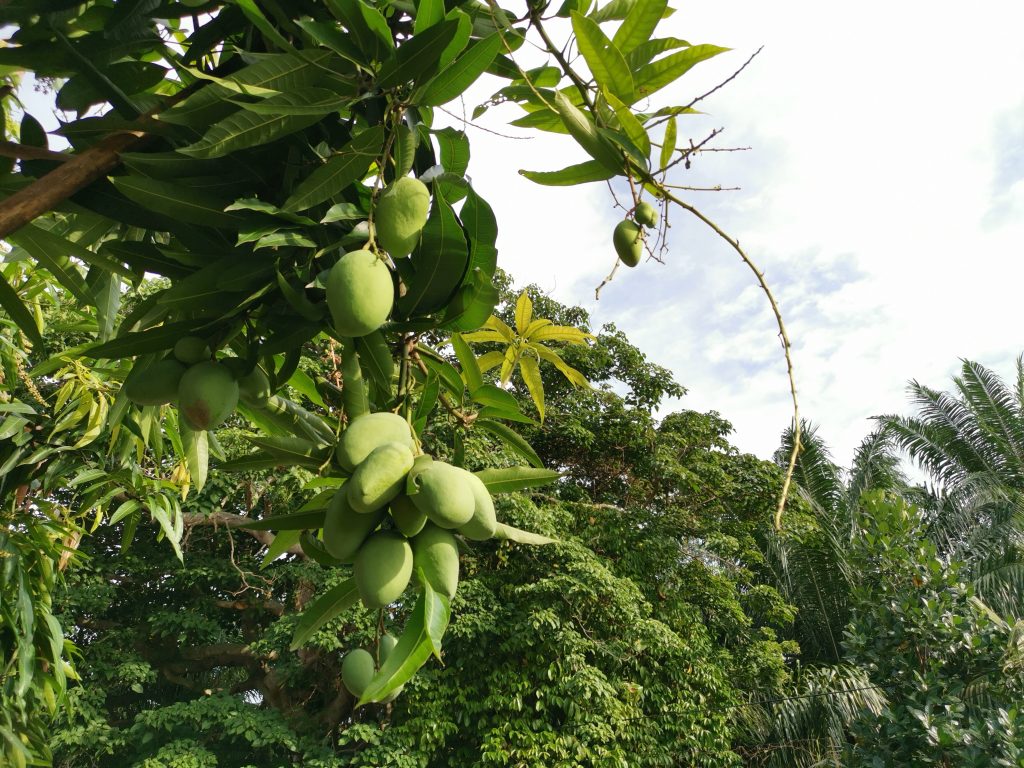
Originally for India but has made a home in Florida too. It is a medium-sized mango with very thin skin, so be gentle as it will bruise. The color of the skin can range in color from yellow to green. The flesh of this fruit when ripe is fiberless and can range from a golden-yellow to and orange-yellow. When ripe the flesh has a deep, somewhat tart flavor with accents of cinnamon, pepper, and jackfruit. This is one of the most popular variations because of all of the flavors packed into one fruit. The cinnamon flavor grabs the attention of your pallet while remaining sweet like any other fruit.
Alphonso
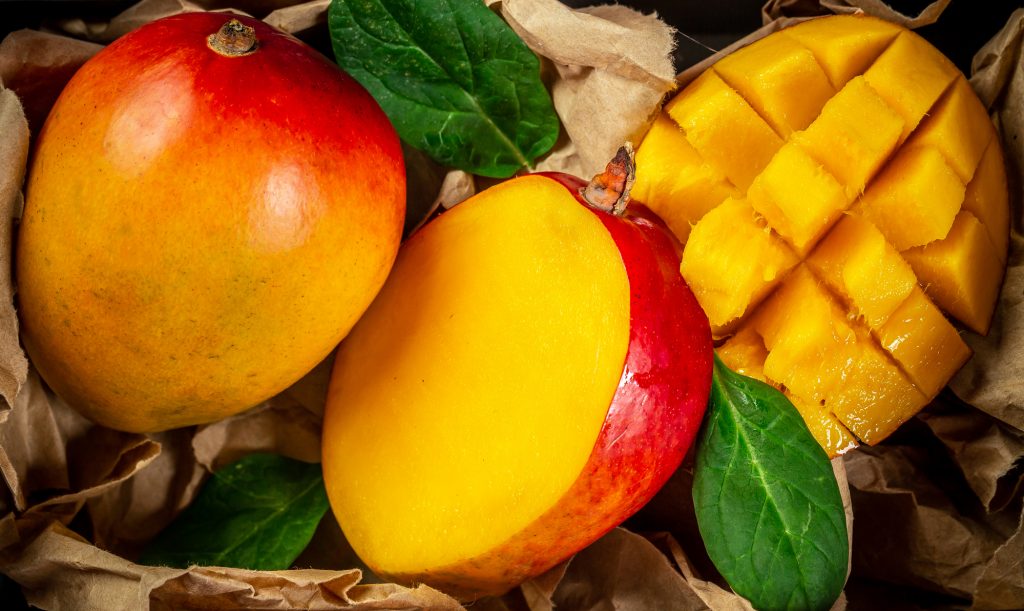
This variation of mango is referred to as the “King of Mangoes”. It is found almost anywhere with a mango tree. It is very sweet with a fibreless pulp and is rich in vitamins A and C. It is referred to as the King of mangos because of its ability to grown anywhere Especially in North India and the United States. However, it is a seasonal fruit, growing only from mid-April through the end of June. Florida’s orchard offers a monthly mango box, where the Alphonso mango is a crowd favorite. They have a rich, creamy texture with a delicate, non-fibrous, juicy pulp. This calls from great mango juice. When the fruit is fully ripe, the skin turns bright golden yellow with a bit of red at the top and bottom.
Beverly
The Beverly mango is unique because it is only grown in Florida. This cultivar did not expand overseas because of the fruit’s lack of color once mature, but it did gain popularity due to its flavor. This particular variation has resisted many diseases that other variations cannot survive. It is currently sold as a nursery stock in Florida. The mango, when fully ripe, remains a dark green with a little bit of yellow. The flesh has no fiber and is rich in flavor. It does contain a seed in it and is only ripens from July To August.
Carrie
The Carrie mango, a resident to the United States only, is named after the resident’s mother where the tree grew. A mature Carrie mango will appear a green to yellow color, without ever reaching the red blush stage like other commonly known mangos. The flesh on this mango is not fibrous, but it is orange and rich in flavor with a very strong aroma. This particular variety of mango contains a seed, and it is also highly resistant to fungus. The trees can grow quite vigorously, however, they are compact, so they are easy to manage. They are easy to spot out because of their distinctive leaves that are wider than most.
Fairchild
The Fairchild mango is one of the most popular varieties in the state. It was originally brought to the state through Hawaii, but is now apart of Florida and is one of its features commercial varieties. While the Fairchild mango is commercially planted, there are many areas that will not bring it on board because of the lack of its color when it is full-grown. Though it may be lacking in color, it has a great test, excellent production quality, and very good disease resistance. When ripening, the fruit turns from yellow to green and never really turns red. IT does have a dark yellow and juicy flesh, which is fiberless and has a rich aromatic flavor. It also has a seed and ripens from June to July.
Glenn
The Glenn Mango was originally planted in Miami, Florida. This tropical fruit was not very popular at first due to the lacking storage characteristics. However, these trees can grow up to 30 feet tall but are often kept well under this height by regular pruning. They are usually an oval to oblong shape with a rounded base. It has a thin but very tough skin that turns bright yellow when it is fully ripe. It will develop a blush red color once it hits a certain temperature. Though it remains almost completely yellow it still has a sweet flavor with a fiberless flesh, with a seed.
Haden
The Haden mango is a named mango cultivar that became one of the most widely cultivated in the world. It was brought to South Florida in the early 20th century. They are the average oval to round shape with a red skin that has green and yellow shading. The green areas turn yellow as the fruit ripens. The flesh has fine fibers it that make it firmer than some other mangoes like the Ataulfo. It is rich and sweet in flavor with a large brown pit for the seed.
Keitt
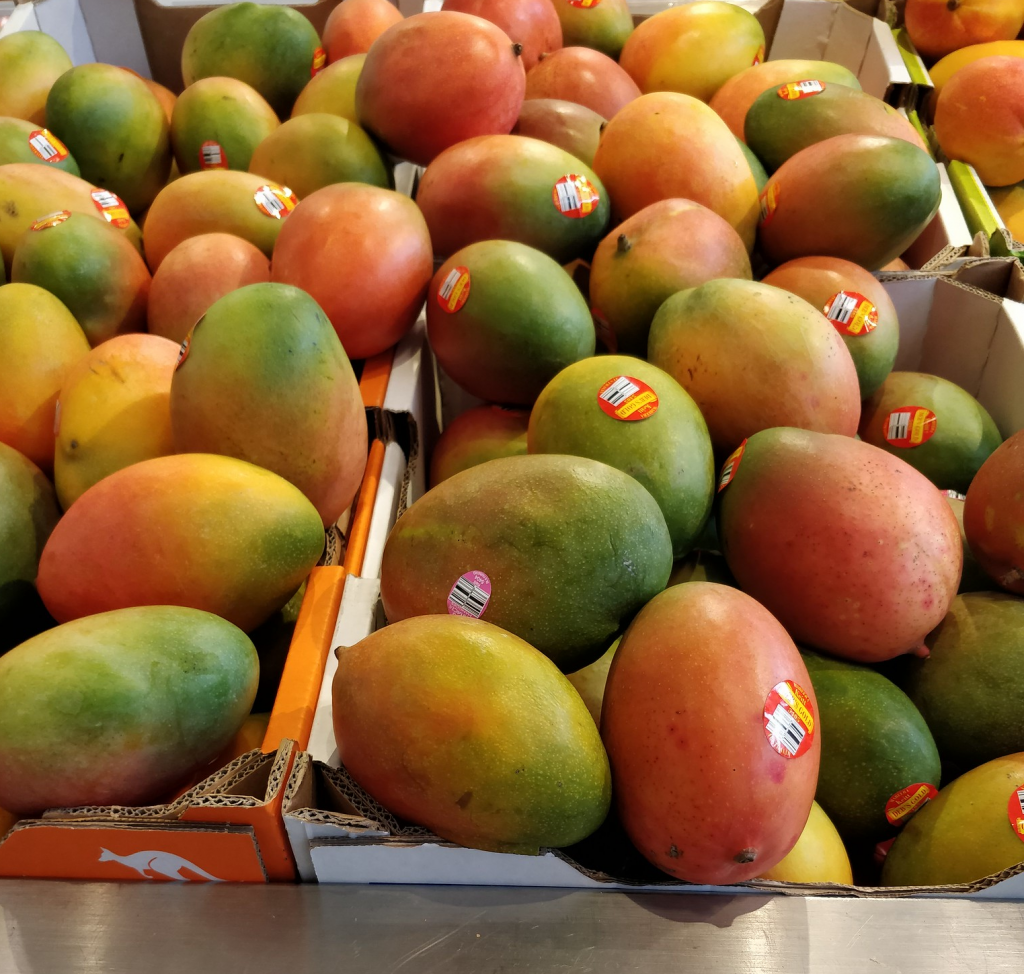
The Keitt mango was named after the owner of the property it was originally planted on in Florida. The tree the fruit grows on can grow up to 20 feet with a very low spreading habit. The Keitt is one of the larger strands of mangos. The fruit is typically green with light red sots when in the sun. These fresh mangos have a fibrous flesh and a tangy and sweet taste with a seed. The fruit generally has good disease resistance, and typically ripens from August until September in Florida, often into October as well, making it one of the more valued late-season/ mid-season varieties.
Kent
The Kent mango is grown on a limited commercial anywhere outside of the United States due to its short shelf life. Local to Miami, the original mango tree still stands in Coconut Grove. The trees are quick to grow and get almost 30 feet tall. The fruit is an oval shape and has a rich, sweet flavor. When it starts to mature the fruit will turn a greenish-yellow color with some red blush colors. This mango also has a pit.
Mallika
The Mallika mango is known as a hybrid from Neelum and Dasheri. When the tree is properly grafted, the tree will remain a manageable size and can be grown in a dooryard. The mango produces high-quality, fiberless orange fruit. The Mallika is known for its prominent notes of citrus, melon, and honey making it an exceptionally sweet fruit. Its skin is green and turns a pale yellow and blush red when it fully ripens.
Tommy Atkins
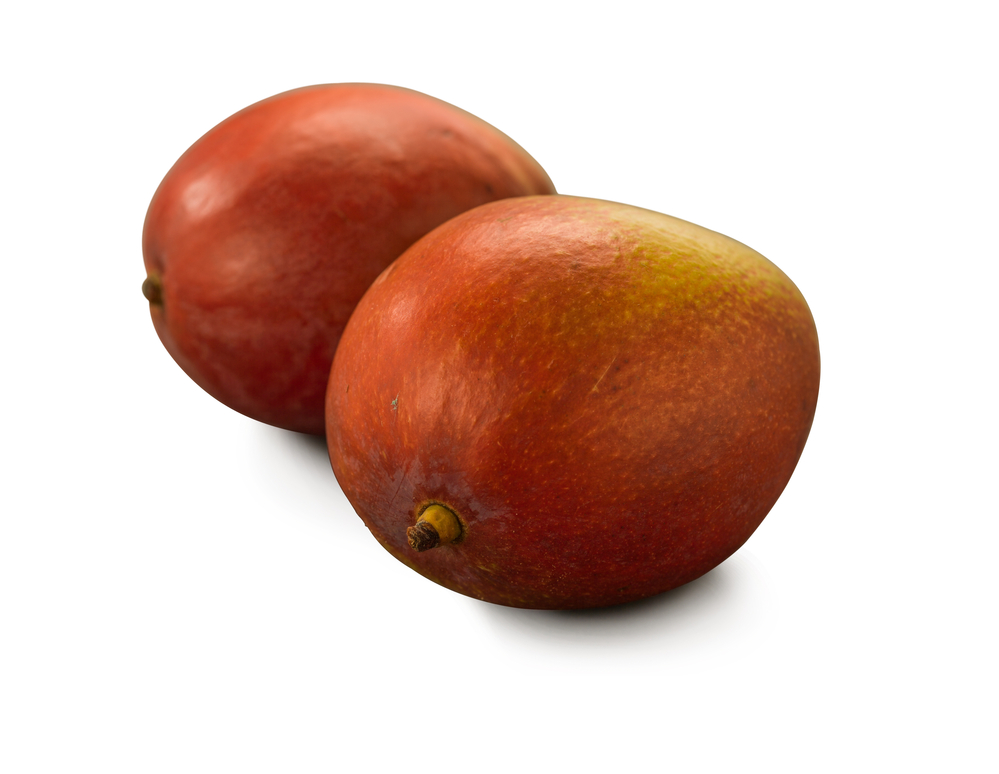
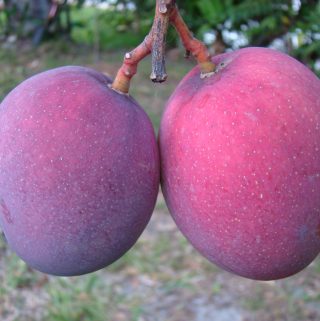
The Tommy Atkins mango is a named mango cultivar. It is not known for its sweetness, but more so it’s lasting shelf life. It also has a high tolerance for transportation with little bruising and degradation. It has a thin layer of skin and appears more pink and purple right before ripening. The Tommy Atkins mango has many other fruitings bred off of it.
Mangos grow in many places such as Mexico, Guatemala, Thailand, Ecuador, Brazil, Peru, Haiti, and most popularly in South India and the United States. There are many different variations of fruits available throughout the year. To ensure that you get the best mangos possible, it is important to know what you like and how fresh they are. Consuming mangos when they are ripe is the most ideal, so buying from a source near you is important.